When your car slides on an icy morning or your roof leaks after a summer storm, the person you call matters as much as the policy you bought. For Hammond residents, an insurance agency rooted in the community offers more than paperwork; it offers context, judgment, and a relationship that changes how risk gets managed. This article explains why a local agency matters, how to evaluate one, and what trade-offs to consider when you search for "insurance agency near me," "insurance agency Hammond," or a "State Farm agent" and a competitive "State Farm quote."
Why proximity matters beyond convenience Most people think proximity only saves time when you need to drop off forms or pick up a copy of a policy. That is true, but proximity also shapes knowledge and responsiveness. A local agency knows Hammond's neighborhoods, the roads where fender benders happen most, and the parts of town where older homes face specific wind or flood exposure. That matters when an agent helps you choose coverages or advocates after a claim.
Local agents build working relationships with adjusters who respond in the region. When a hailstorm hits and dozens of homeowners file claims, an adjuster who already knows the agency's client base can move faster through triage. I have seen this at scale: after a spring storm that affected a dozen towns, a local agent who had worked with the same adjusters for years got many clients inspected and paid in weeks, while others waited months for initial contact.
Knowledge of local law and infrastructure reduces surprises. Hammond drivers understand traffic patterns on the Borman Expressway differently than someone who only sells policies online. A local agent can recommend specific liability limits or gap coverage for people who commute into Chicago or work in logistics, because those exposures occur frequently here.
Personalized risk assessment and tailoring Insurance should not be a one-size-fits-all commodity. A policy that looks cheap online may omit coverages that matter most to you. A local agent asks about the small, practical details people forget on digital forms: whether you park in a detached garage, whether your teenager drives a leased car, or whether you run a side business from home selling baked goods at farmers markets.
Consider two Hammond homeowners with similar houses by age and size. One is on a raised foundation with flood vents; the other sits at a lower grade near a creek. A national quote algorithm may price them similarly if it lacks parcel-level detail. A local agent can distinguish the two, recommend appropriate flood endorsements, and advise about mitigation steps that may lower premiums over time.
When you ask for a State Farm quote or speak with a State Farm agent locally, you are not only getting a brand name. You are getting someone who can combine the insurer's standardized products with local nuance. That combination explains why many residents prefer an agency they can visit, call, or text when conditions shift.
Claims advocacy: the difference between paperwork and advocacy Filing a claim is where insurance either performs or disappoints. The paperwork is the least valuable part; advocacy is the part that moves money to you in a timely and fair way. A local agency serves as an advocate. They guide you through documenting damages, escalating disputes with adjusters, and, when necessary, coordinating with contractors who routinely work in Hammond.
Realism is important. Agents cannot guarantee every claim will be fully paid, and some disputes require third-party appraisals. Still, an agent who has handled hundreds of local claims brings practical knowledge: what evidence convinces an adjuster, which contractors provide reliable estimates, and how to time temporary repairs to keep costs reasonable while preserving your claim. That experience saves time and often results in better settlements.
Trust and long-term financial planning Insurance sits at the intersection of risk management and financial planning. A local agency builds a long-term view of your needs. Over years they track life events that change exposures: a new child, a remodeling project that increases home replacement cost, or the purchase of a collector car. These are not flashy topics, but they shift what coverage makes sense.
I once worked with a family who treated their auto and home policies as separate decisions. After their third child was born and they began renting out a finished basement suite, the local agent recommended adjustments that included increased umbrella liability and a change to their homeowner's policy to cover short-term rental exposures. The incremental cost was modest, and after a neighbor's accidental injury in the rented space, the policy change proved critical. Without a local agent who tracked their life changes, those exposures might have been overlooked.

Costs, trade-offs, and when an online-only State farm insurance route makes sense Hiring a local agent may cost a little more in premium than piecing together a policy online, or it may cost less if the agent finds discounts you missed. The trade-offs depend on your priorities. If you want the absolute lowest sticker price and are comfortable managing claims yourself, a direct digital insurer can be effective. For most Hammond households, however, the value of local guidance, claims advocacy, and personalized coverage outweighs the small price differential.
Consider severity of loss when calculating trade-offs. If you face a multi-thousand dollar claim, a single error in coverage can be costly. A local agent helps avoid those errors. Conversely, if you are insuring a two-year-old commuter vehicle with clear ownership and no special exposures, shopping online can save time and money.
How to vet a local agency in Hammond Choosing an agency is a judgment call that benefits from a few practical checks. Below is a short checklist you can use when you visit or call an agency. These are not exhaustive, but they cut to the heart of what matters.
- Ask for examples of local claims they have handled in the past year, including timelines and outcomes. Confirm whether the agent represents multiple carriers and which combination they recommend for your needs. Request references from clients in neighborhoods similar to yours, and call at least one. Ask how claims are processed when an adjuster is not immediately available, and what temporary measures they can authorize. Discuss communication preferences and how quickly you can reach your agent after hours.
A live example helps. When I called a Hammond agency one afternoon about a potential barn roof claim, the agent explained how the insurer handled emergency tarping, gave a rough timeline for inspection, and walked me through the photos and documentation the company would need. That level of practical clarity is rare from an online quote and made it straightforward to decide to use that agency’s recommended contractor.
Questions to ask about State Farm and other carriers State Farm is often searched alongside local agencies because many residents want a State Farm quote or the reassurance of a State Farm agent. When evaluating State Farm or any other insurer, ask for specifics. Does the policy include replacement cost or actual cash value for homes? What are the limits and triggers for gap coverage on leased vehicles? How does the insurer handle business use of personal vehicles?
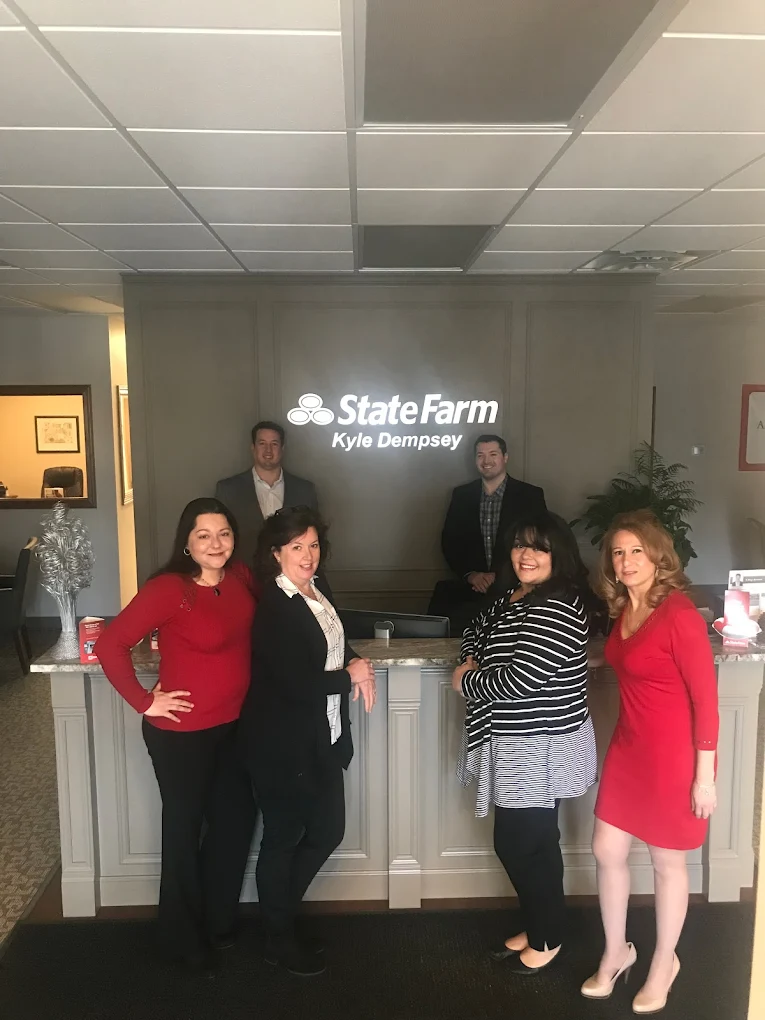
State Farm agents frequently act as the local bridge between a national carrier and community needs. If a State Farm agent operates in Hammond, inquire about local claim response times and the agent’s relationship with adjusters. That relationship can make a material difference after a large weather event.
Policy features that matter in Hammond Hammond faces a mix of inland flooding risk, occasional severe storms, and the usual urban exposures of theft and vandalism. For cars, consider not only collision and comprehensive coverage, but also rental reimbursement and roadside assistance. For homes, dwelling coverage should match realistic replacement cost estimates, and flood insurance should be evaluated separately if your property is in a low-lying area. Umbrella liability policies often provide strong value for people who drive frequently or host short-term renters.
A practical rule: for homeowners, ensure dwelling coverage covers full replacement costs, not an artificially low mortgage-balance number. For drivers, review medical payments and uninsured motorist coverage in case you encounter a driver without proper insurance. These choices are not glamorous, but they prevent painful gaps.
The value of local discounts and inventory of options Local agencies can often find discounts tied to regional behavior or mitigation. For example, installing storm shutters, upgrading to impact-resistant roofing, or enrolling in a local defensive driving course can lead to measurable premium reductions. Some insurers offer bundling discounts for combining home and car policies, or loyalty discounts for long-term customers. A local agent knows which programs carriers advertise but do not automatically apply, and they will pursue those savings on your behalf.
Also, a local agency can present options across carriers. If you search "insurance agency near me," pick an agency that represents multiple insurers rather than a single captive outlet, unless you have a clear preference for that carrier. Diversity of carriers means you get comparisons that make trade-offs visible, not hidden.
How communication style predicts service How an agent communicates early on predicts how they will behave during a claim. Timely email replies, a clear description of next steps, and an honest assessment of coverage limits are positive signals. Beware of sales-heavy conversations that push a single product without discussing alternatives. A good local agent explains trade-offs plainly and provides a concise written summary of recommendations.
I keep a folder of short notes from our conversations with agencies, and it pays off later. When a storm damaged a neighbor’s garage, the agency whose initial assessment included written next steps had the claim processed faster. Written clarity matters in the heat of a claim.
When to move agents Changing agencies is common and sometimes necessary. Consider a change if you experience repeated communication lapses, discover a coverage gap after a loss, or if your agent seems unfamiliar with local conditions that affect your exposures. One red flag is an agent who resists showing comparative quotes across carriers when you request them. Moving agencies can feel awkward, but a new agent who takes time to understand your situation and documents changes in writing quickly repays that effort.
A practical timeline: review your coverages annually and after major life events. Request comparative quotes every two to three years, or sooner if you notice significant premium increases without changes in coverage.
Final practical steps for Hammond residents Start local. Visit a downtown Hammond agency or call an agency with a visible local presence. Bring recent declarations pages, photographs of property, and a short list of questions about claim response and mitigation discounts. Ask for a State Farm quote if you prefer that brand, but also ask the agent to show alternatives so you can weigh cost and service.
Document conversations, keep an annual review on your calendar, and treat insurance as a living part of your household budget that evolves with your life. A trusted local agent will save you time, reduce stress after a loss, and sometimes save money by finding discounts and preventing coverage gaps. For Hammond residents who value clarity and advocacy, choosing a local insurance agency is not just a preference, it is a practical risk management decision.